

AnimalsBy Rev. Berta Kay8 min read
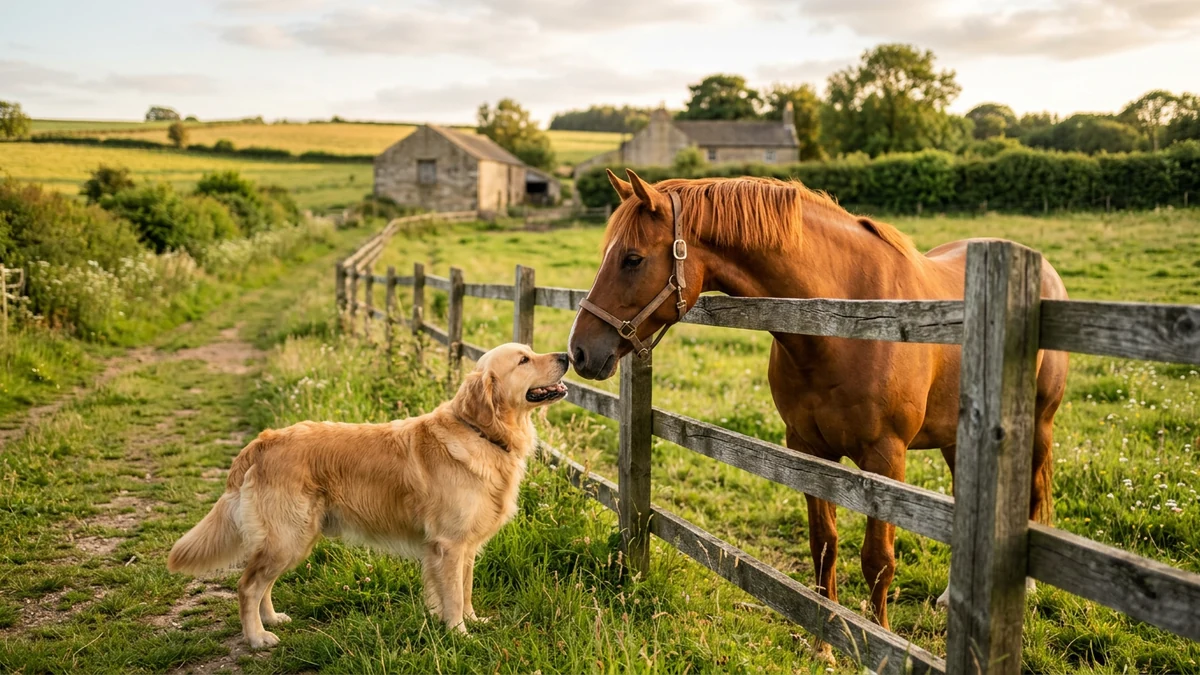
If you have ever looked into your dog's eyes and known — really known — that she was trying to tell you something, you already believe in animal communication. You are right. Animals are constantly sharing their feelings, needs, and opinions with us. Most of us have simply forgotten how to hear them. As an animal communicator, my job is to listen on your behalf and translate.
I work with all animals, but the two I am asked about most are pets — dogs, cats, and the whole beloved menagerie — and horses. Sessions are available in person in the Fultonville, NY area and by phone; you can read the details on the animal communication page.
What animal communication is
Animal communication is a quiet, intuitive conversation. Animals do not think in sentences the way we do — they communicate in images, feelings, physical sensations, and simple, direct impressions. A communicator receives those impressions and puts them into words for you.
It is not mind-reading magic, and it is not training or veterinary care. Think of me as an interpreter at a family meeting where one member of the family speaks a different language — the furry one.
How a session works
A session is relaxed and simple. I connect with your animal — either with the animal present, or from a photograph and a name if we are working by phone. Distance truly does not matter; the connection is made through attention and love, not proximity.
Then I quiet my own mind and listen. Impressions come as:
- Images — a favorite spot, a particular toy, a view from a window
- Feelings — joy, worry, confusion, contentment
- Physical sensations — where the animal feels stiff, sore, or comfortable
- Simple messages — preferences, requests, and sometimes surprisingly funny opinions
I share everything I receive with you, and you tell me what rings true. Your recognition is an important part of the process — you know your animal better than anyone, and your confirmations help the conversation go deeper.
What people ask their animals
The questions are as varied as the animals themselves, but some come up again and again:
- Are you happy? The most common question of all, and usually answered with a warmth that brings tears.
- Does anything hurt? Animals often show me areas of discomfort. This is useful information to bring to your veterinarian — animal communication complements veterinary care, it never replaces it.
- Why the behavior change? A new barking habit, a spooked horse, a cat avoiding the litter box — animals usually have a reason, and they are often relieved to finally explain it.
- How do you feel about a change? A move, a new baby, a new animal, a different routine — animals have opinions about all of it.
- What do you need from me? Sometimes the answer is touching in its simplicity: more time, a quieter corner, a different saddle pad, a walk by the water.
Horses: a special word
Horses are extraordinary communicators — sensitive, honest, and deeply aware. Riders and owners often come to me when something feels "off" that training and veterinary checks have not fully explained. A horse may show me discomfort with a piece of equipment, anxiety about a trailer, confusion about mixed signals, or simply a desire for a different kind of relationship with their person.
Some of the most moving sessions of my fifty years have been with horses. They carry so much, so quietly, and they are profoundly grateful to be heard.
Animals in spirit
Yes, I connect with beloved animals who have passed, and these are some of the most comforting sessions I give. The bond between a person and an animal does not end — it changes. Guests often want to know that their old friend is at peace, and the answer that comes through, again and again, is yes. If mediumship is part of what you are seeking, you may also be interested in my psychic and medium readings.
What a session is like for your animal
Animals almost always respond with curiosity and relief. Many become noticeably calmer during a session — owners tell me their dog settled at their feet, or their horse dropped its head and sighed. Animals know when they are being listened to. It is, I believe, one of the kindest gifts you can give them.
Preparing for a session
There is very little to prepare. Have your questions in mind, have a photo handy if we are working by phone, and come with an open heart. Sessions are 15 or 30 minutes, payment is made afterward by credit card, Square or Cash App, and there is never any pressure.
If you are curious about my background, the about page tells my story, and the FAQ page answers common questions. You might also enjoy Reiki healing — animals respond to it beautifully — or tarot and oracle card readings for the human members of the family.
Preparing your dog or cat for a session
Your animal does not need to sit perfectly still or behave in a special way. In fact, it is usually best to keep the day as ordinary as possible. Familiar routines help pets feel secure, and a relaxed environment gives us a clear place to begin.
For an in-person visit, let your pet choose a comfortable spot. A dog may settle beside you, wander around, or bring a toy. A cat may watch from a chair or leave the room and return later. These choices are part of the conversation, not interruptions. Please do not hold an animal in place unless safety requires it.
For a phone session, have a recent photograph and the animal's name ready. The picture should show the face clearly if possible, but it does not need to be professionally taken. Your animal can be with you, resting elsewhere in the home, or outside following a normal routine.
Write down your most important questions before we begin. Keep them short and specific:
- How are you feeling about the recent change at home?
- Is there something in your routine you would like us to understand?
- What helps you feel safest and most comfortable?
- Is there an activity or place you especially enjoy?
- What would you like your person to know?
If your concern involves health or behavior, continue working with the appropriate veterinarian or qualified trainer. Communication can add the animal's perspective, but it does not diagnose, prescribe, or replace professional care.
Preparing a horse for communication
Horses are sensitive to atmosphere, so calm handling matters more than creating a perfect setting. Choose a familiar area where the horse normally feels settled. A stall, paddock, grooming space, or quiet corner of the barn can all work. There is no need to introduce unfamiliar equipment for the session.
Let the horse stand naturally and maintain normal safety practices. The horse may turn toward us, lower the head, move away, or continue eating. I pay attention without demanding a particular response. Listening is the purpose; performance is not.
Think about the whole picture before your appointment. Note recent changes in turnout, companions, tack, travel, work, or routine. These details may help you form useful questions after the initial connection has been made. Keep veterinary, dental, hoof-care, and training appointments in place as usual.
A helpful list might include:
- One question about comfort or preferences.
- One question about work, handling, or routine.
- One question about the relationship between horse and person.
- Any message you want the horse to receive from you.
Many people focus so strongly on solving a problem that they forget to ask what their horse enjoys. That positive question can open a warm and revealing part of the conversation.
After the animal communication session
Give the messages a little time. Some answers will make immediate sense; others may connect with something you notice later. Write down what stood out and share relevant observations with family members or professionals who help care for the animal.
Choose one or two reasonable changes rather than altering everything at once. If your animal asks for more quiet time, a favorite activity, or a clearer routine, introduce the change gently and observe. Communication works best as part of an ongoing relationship built on attention.
Most importantly, talk to your animal. Tell them what is changing, thank them for sharing, and explain what you can or cannot do. Animals understand intention and tone beautifully. You can learn more about the way I approach this work on the animal communication service page.
Continue observing with patience in the days that follow. Your pet or horse may respond through a small change in routine, a new willingness to connect, or simply a softer sense between you. Not every message requires action; sometimes being heard is the gift. Keep your expectations gentle, stay curious, and remember that the relationship grows through all the ordinary moments you share.
If another question becomes important later, write it down rather than trying to solve everything at once. A future conversation can begin with what you noticed after this one. The contact page makes it easy to request a 15- or 30-minute session when the time feels right.
They have so much to say
Your animal has been talking to you all along. A session simply turns the volume up. Send your request and I will call you back to schedule — I cannot wait to meet your best friend.